Industries · E-commerce
Ecommerce website development for a small brand: a store that sells on a phone, with campaigns your team runs without calling anyone.
A store exists when it is online. It sells when a person on a phone finds the product in two taps, pays with the method they use, and gets the answer to “is it in stock” before they close the tab. We build the store, connect payments and delivery, and set up the system that answers and follows up. From €2 000.


What goes wrong
Traffic arrives, the cart stays empty. The product is four taps deep, the checkout asks for an account, the payment method the buyer uses is not there.
A landing page for a sale, a bundle for the holidays, a code for the newsletter: each one waits a week for someone to build it. The moment passes.
“Is it in stock?”, “Do you ship to Germany?”, “Where is my order?” arrive on Instagram, email and chat while nobody is watching. The cart left at checkout gets no follow-up.
A typical system
A typical system for an online store
The same parts as on every page of this site, arranged for this business. Each module is a solution page; the marker walks through them. Hover to hold.
- 01A store built for a phone
Catalogue, filters, cart and checkout on Shopify or WooCommerce, with local payment methods and delivery zones, in the languages your buyers use.
solution page → - 02Campaigns without a developer
Landing pages, bundles, discount codes and collections your team creates in the store admin; the design holds because it is built as blocks.
solution page → - 03Orders and questions from one inbox
Stock, shipping and order-status questions answered with drafts from your own data; abandoned carts and reviews followed up on a schedule; a person approves.
solution page → - 04A catalogue fed from your system
Hundreds of products with variants and prices read from a spreadsheet, an ERP or a warehouse, kept up to date without retyping.
solution page →
Who exactly
Businesses inside e-commerce we build for
A flower shop, a bakery, a boutique: the catalogue, the languages and the ordering, explained in plain words. Rozmarin is this case.
Perfume, cosmetics, specialty goods: a store with a mood, product pages that rank, and visuals made for the brand. The Beast Beauty is this case.
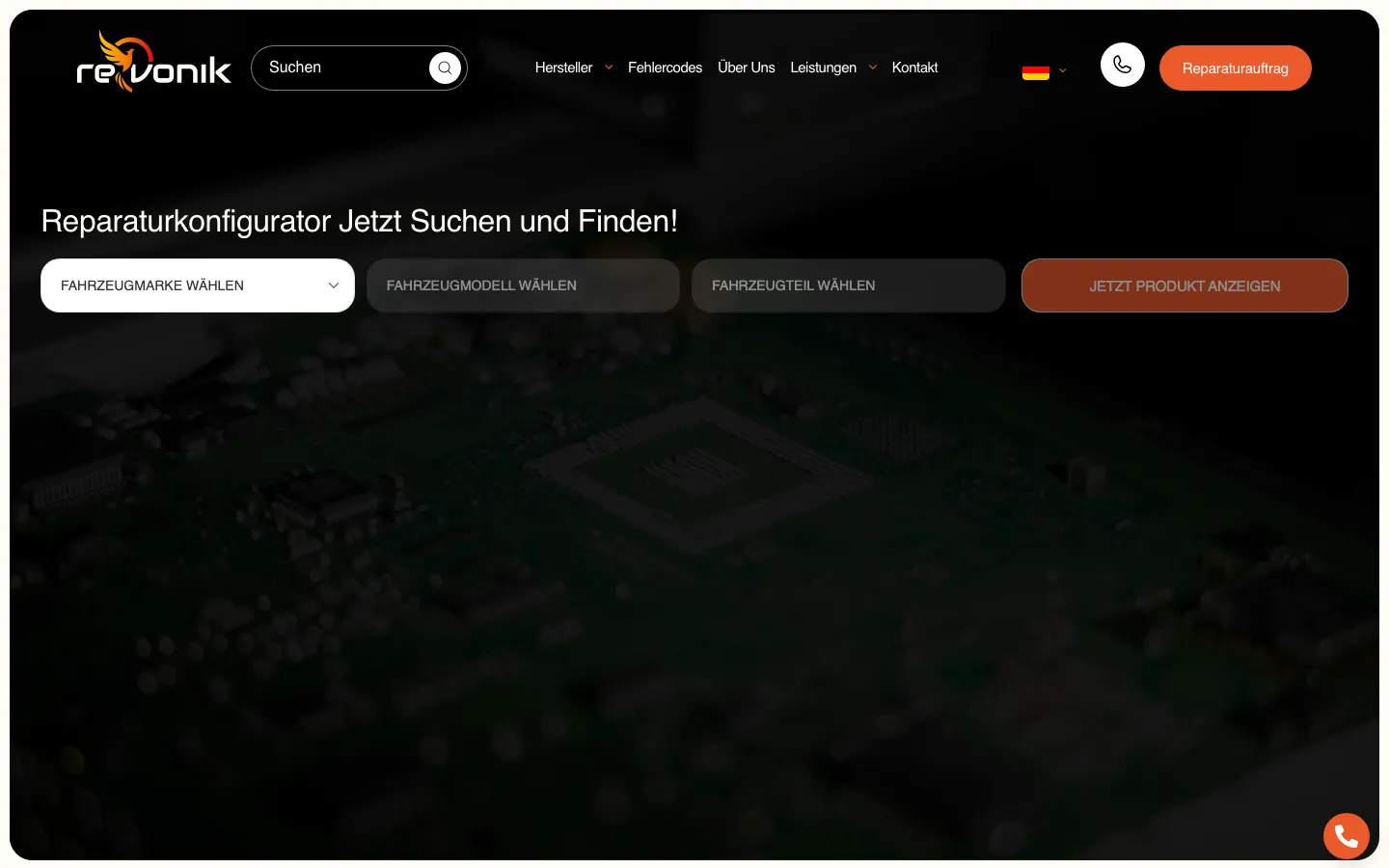
Repairs, refills, spare parts: a catalogue of error codes or parts, an order that opens a ticket in the CRM. Revonik is this case.
Smoked goods, coffee, gift boxes: retail and wholesale from one store with local payments. Dallie Smokehouse is this case.
“They built our flower shop online: the catalogue, the languages, the ordering. Everything was explained in plain words, and when we needed changes after launch they responded. Now our customers order flowers from the site, not only by phone.”
Specifics
What is different in e-commerce
BLIK and Przelewy24 in Poland, cards and PayPal elsewhere, cash on delivery where buyers expect it; parcel lockers and couriers by zone. Set up before launch, tested with a real order.
Each language is its own pages with the right currency and tax; a store in Polish, English and Ukrainian, or in five languages for a German seller, is normal work.
Variants, prices and stock read from where they live; a product out of stock is shown as such, not sold twice.
Withdrawal rights, terms and the privacy notice in the buyer’s language; cookie consent that is real; order data under GDPR. Reviewed by your lawyer before launch.
Price
A store starts from €2 000; a catalogue fed from your system from €3 000; a process that answers and follows up from €500.
Fixed in writing after a short call. Every price on this site starts from €500.
Questions
Questions from e-commerce owners
What makes an online store sell instead of just existing?
The product within two taps of the first screen, a checkout that does not ask for an account, the payment method the buyer already uses, delivery costs visible before checkout, and an answer to “is it in stock” before the tab closes. Everything else is decoration. We build for a phone first and test with a real order before launch.
How do catalogue, cart and checkout work on a phone?
The catalogue is filtered by what buyers actually pick, not by your internal categories; product pages load the image first and the price next; the cart is one tap away and the checkout is one screen with local payments and delivery zones. We measure the path from the first screen to the paid order and shorten it.
Can our team run campaigns without a developer?
Yes. Landing pages, bundles, discount codes, collections and banners are created in the store admin; the design is built as blocks so a campaign page looks like the rest of the store without anyone touching code. We set up the first campaign together and hand over the pattern.
How much does an ecommerce website cost for a small brand?
From €2 000 for a store on Shopify or WooCommerce with catalogue, cart, checkout, local payments and delivery set up; more for languages, integrations with a warehouse or an ERP, and a large catalogue fed from your system, which starts from €3 000. The platform’s own fees are billed to you; we name them before you decide.
Tell us how a customer reaches an online store today.
A short call, then a fixed price in writing.